What Is The Contract-Marriage Trope?
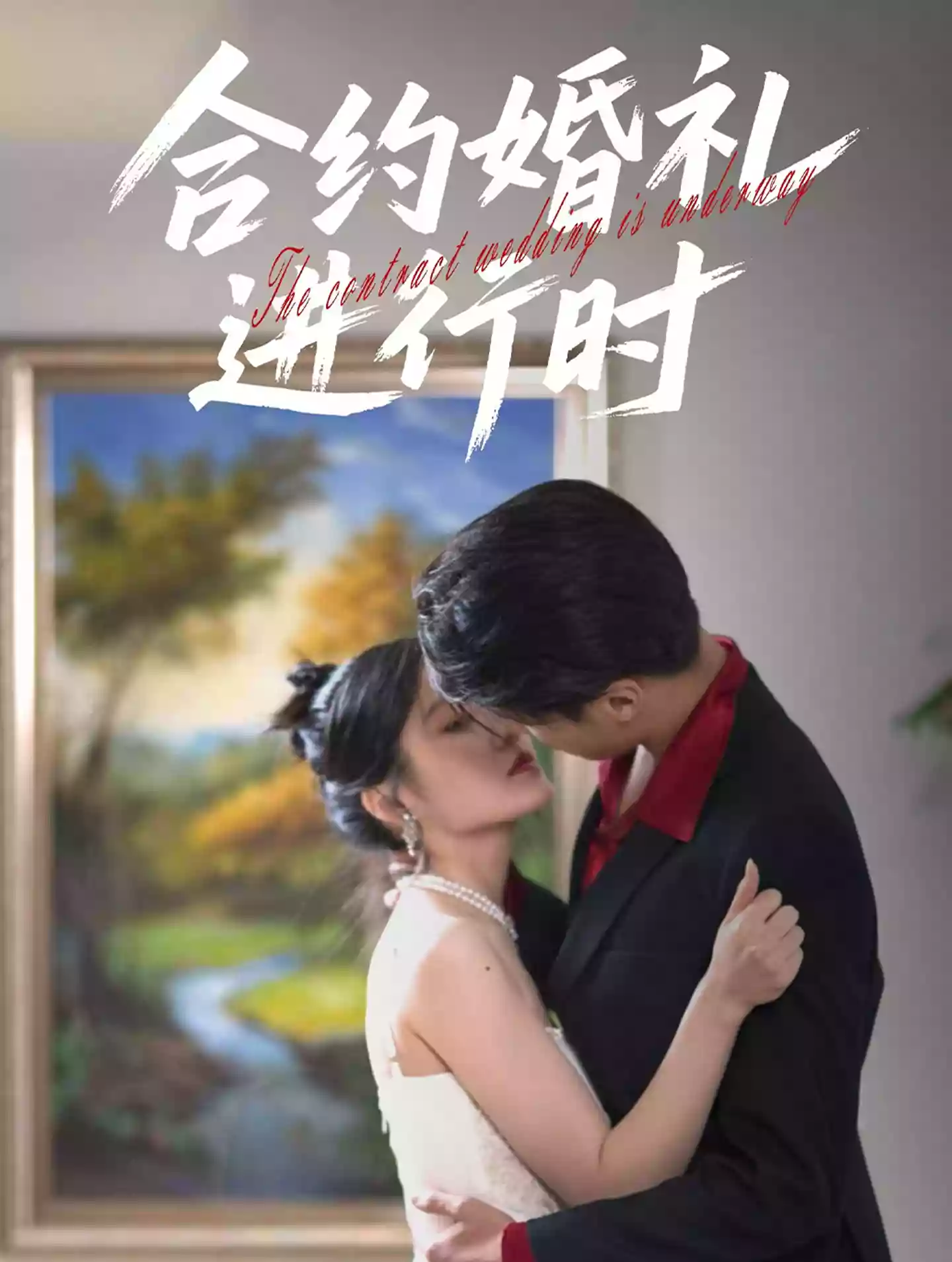
A contract-marriage Chinese drama begins with a practical bargain. Two people marry before they are emotionally ready because the outside world gives them a problem they cannot solve alone. One needs debt relief. One needs to escape an arranged match. One needs a legal spouse to satisfy family pressure. One needs protection from a hostile household. The marriage is fake on paper, but the consequences are real from the first scene.
That is why the trope fits vertical short dramas so well. A short drama does not have time for a slow courtship. It needs a device that puts the leads in the same room, the same family conflict, and the same public humiliation immediately. A marriage contract does all three. It gives the audience a reason for forced proximity without asking them to believe in instant love.
The best contract-marriage plots are not about the contract itself. They are about the mismatch between what the couple thinks they signed and what the story makes them owe each other. A cold CEO agrees to a deal, then starts protecting the heroine when the deal no longer requires it. A bankrupt heiress accepts help, then discovers that the marriage has made her visible to enemies she did not know she had. A flash husband looks ordinary, then turns out to be the one person powerful enough to reverse the humiliation.
Sub-Tropes
Modern CEO contract marriage is the most exportable version. It uses corporate power as a shortcut: the husband can buy a company, erase debt, punish a bully, or expose a family lie. The risk is sameness. If every scene is just “CEO saves wife,” the page becomes a list of identical face-slaps. A stronger recap asks what the heroine gains besides protection.
Flash marriage after humiliation starts with an insult. The heroine is abandoned, cheated on, priced like property, or mocked as a poor match. She marries a stranger in anger, and the story turns that impulsive move into the best decision she could have made. This is the shape behind owned titles such as After the Dowry Deal Collapsed, I Flash-Married a Secret Billionaire.
Fake-to-real vows are softer. The couple agrees on a practical arrangement, then slowly violates the contract by caring too much. These stories need small reversals: a businesslike clause becomes a protective act; a public performance becomes private concern; a cold spouse starts remembering the heroine’s preferences.
Secret heir spouse adds a hidden-identity engine. The ordinary husband is not ordinary. The poor wife is not poor. The fun comes from watching arrogant side characters misread the marriage and walk themselves into public embarrassment.
Top Contract-Marriage Short Dramas
Our Secret Contract Wedding is the cleanest owned example. Lin Xia is a bankrupt heiress; Lu Chen is a wealthy CEO trapped by family expectations. Their deal is balanced enough to be interesting: she helps him avoid an arranged match, and he clears her family debts. The plot then moves through rivals, family schemes, and misunderstandings until the contract becomes an emotional alliance.
Flash-Married to Asia’s Richest Heir is a more melodramatic variant. The heroine is injured, rejected by family, and forced into a survival marriage to save her mother. The hidden-heir reveal adds the classic vertical-drama pleasure: everyone who evaluated her by surface status has been wrong from the beginning.
After the Dowry Deal Collapsed, I Flash-Married a Secret Billionaire gives the trope a bride-price trigger. A wedding collapses over an insulting offer, the heroine storms out, and the replacement groom is far more powerful than he first appears. The setup is blunt, but that bluntness is exactly why it works in a short-drama feed.
The Heir Who Played Dumb: A Rideshare Romance is not a pure contract-marriage story, but it belongs near the hub because it uses the same hidden-identity pleasure. A rich heir disguises himself as a driver, reunites with a former classmate, and reveals power only after workplace enemies overplay their hand.
Fake-To-Real Arc Analysis
The contract-marriage arc usually has four beats. The first beat is necessity: the couple marries because not marrying would be more expensive, humiliating, or dangerous. The second beat is performance: they must convince outsiders the marriage is real. The third beat is leakage: private feeling starts breaking the public script. The fourth beat is revision: the couple either tears up the contract or admits that the emotional bond has replaced it.
Vertical short dramas tend to shorten the second and third beats. In a long drama, the leads can spend ten episodes pretending and slowly softening. In a mini drama, the fake spouse may be defending the heroine by episode three. That speed is not a flaw if the opening crisis is strong enough. It becomes a flaw only when the writer skips the emotional cost.
The best fake-to-real turns also give the heroine agency. She should not merely be rescued by a CEO. She should make choices the contract cannot explain: protect the husband from a family trap, expose a rival, walk away when the marriage becomes insulting, or insist that dignity matters more than money.
Long C-Drama Vs Vertical Short-Drama Contract Marriage
Long C-dramas often sell contract marriage as a lifestyle fantasy: shared home, slow healing, workplace success, family pressure, then confession. Vertical short dramas sell it as impact. The insult is bigger, the villain is louder, the reveal is earlier, and the social consequence is more public.
That difference matters for SEO. A reader searching contract marriage chinese drama may expect polished long-form recommendations. This page has to anchor the vertical short-drama angle: faster hooks, harsher family humiliation, and more direct identity reversals. Without that distinction, the page would be another generic listicle competing against stronger database pages.
Where To Watch Legally
This site does not link to unauthorized episode mirrors or “free full movie” uploads. Contract-marriage titles should be watched through official apps, licensed platforms, or our own YouTube channel once video embeds are added. Until then, this page stays text-only.
FAQ
What makes contract marriage different from arranged marriage?
Arranged marriage usually comes from family or social obligation. Contract marriage is a negotiated deal between the leads, even when outside pressure creates the need.
Why do so many contract marriage dramas include CEOs?
The CEO archetype makes the payoff faster. Power can be revealed in one phone call, one banquet scene, or one company takeover, which suits short episodes.
Is flash marriage the same trope?
Flash marriage is a neighboring trope. It can be romantic, impulsive, or revenge-driven. It becomes contract marriage when both leads treat the marriage as an agreement before it becomes emotional.