Quick Answer
The Girl They Buried is a 62-episode English vertical drama listed by NetShort. Rose Shaw begins as a bright child, but a childhood accident changes her life after she saves her brother. She is left with a cognitive disability, while the parents and brother who benefited from her sacrifice increasingly treat her as an inconvenience. Their neglect leads to a tragedy that cannot be repaired by a late apology.
The title is therefore less a mystery than a judgment. The family does not simply lose Rose. By refusing to see her as a full person while she is present, they participate in the emotional burial long before the literal imagery of graves and mourning appears.
This page explains the verified premise and that thematic meaning. It does not invent a detailed final-episode sequence, because the official public listing establishes the setup, completed episode count, and tragic direction more clearly than every intermediate event.
Which Drama Is This?
The exact title is The Girl They Buried. NetShort classifies it as a completed English-language family drama, modern drama, and tragedy, released on April 3, 2026. The official listing identifies Rose Shaw and her brother Mark and gives the series a total runtime of approximately 97 minutes.
That identity matters because search results for a short, evocative title can drift into unrelated novels, podcasts, true-crime stories, or reposted clips. This guide uses the NetShort listing as the factual anchor. It does not combine those unrelated works or treat a social-media caption as evidence for a scene.
The Chinese title in this page’s metadata is descriptive, not an official alternate release title. It exists to help bilingual readers understand the premise without pretending that NetShort published a Chinese title under the same record.
The Verified Plot Setup
Rose’s childhood act establishes the moral debt at the center of the story. She saves her brother during an accident, but the cost falls on her. After the accident leaves her cognitively disabled, the family gradually stops treating the sacrifice as something they owe her care for. The person who protected the family becomes the person the family finds easiest to ignore.
That reversal makes the premise more painful than a conventional inheritance dispute. Rose is not rejected because the family doubts her bloodline or because a villain suddenly arrives with forged evidence. Her parents and brother know who she is. Their failure is an accumulation of choices: embarrassment, impatience, silence, and the decision to prioritize Mark’s life while treating Rose’s needs as an obstacle.
The official synopsis says Mark pursues love while the family’s indifference moves toward a devastating tragedy. That gives the series its pressure. Each time the family delays listening, the possibility of repair becomes smaller. The tragedy is not a random shock placed at the end; it is the consequence of repeatedly deciding that Rose can wait.
What Does the Title Mean?
The word buried works on two levels. It points toward death and mourning, but it also describes what happens to Rose’s place inside the family. Her history as the child who saved Mark is covered over. Her present needs are pushed out of sight. The family continues living around her while refusing to acknowledge the person their comfort depends on.
That is why belated regret is the correct emotional category for the drama. A revenge story can restore status by exposing a lie. A rebirth story can let the heroine use future knowledge to change the outcome. A tragedy removes that safety valve. Recognition arrives, but recognition is no longer the same thing as repair.
NetShort’s public episode commentary repeatedly emphasizes graves, empty spaces, memory, and people learning to carry loss. Those images support a reading of the ending as grief rather than triumphant reversal. They do not, by themselves, prove every character’s exact last action. The distinction is important: theme can be clear even when a complete scene transcript is not public.
Rose and Mark’s Family Conflict
Rose and Mark are linked by an imbalance that the family never resolves. Rose’s childhood choice protects Mark’s future. Mark’s later choices, according to the official setup, fail to protect Rose when she is vulnerable. The story asks whether gratitude means anything if it never changes how a person behaves.
Mark is not useful merely as an isolated villain. He represents the family’s ability to normalize Rose’s sacrifice. Once everyone accepts that Mark’s ambitions and relationships deserve priority, each new dismissal can look small. The cumulative harm only becomes visible when the family confronts an absence it can no longer explain away.
Rose’s disability also requires careful language. It is not a clue that she is secretly pretending, and it should not be used as shorthand for childishness or moral purity. The verified premise makes her vulnerability part of the family’s responsibility. The failure belongs to the people who deny her dignity and support, not to Rose for needing them.
Why the Tragedy Hook Works in a Vertical Drama
Vertical dramas often compress conflict through instant reversals: a hidden billionaire reveals his identity, a contract wife produces evidence, or a reborn heroine anticipates a trap. The Girl They Buried uses a different engine. The audience understands the central injustice early, then watches how many chances the family has to interrupt it.
Short episodes make those missed chances feel cumulative. A door closed too quickly, a warning dismissed, or another person chosen over Rose can become a complete dramatic beat. The plot does not need a new conspiracy every minute. It needs the family to keep making recognizable choices until the cost is impossible to deny.
This also explains why an informational guide is more useful than a copied episode list. The important question is not only what happens next. It is why the family’s late grief feels earned, and why remorse after a preventable loss is not the same as redemption.
Similar Owned Dramas on Drama Canon
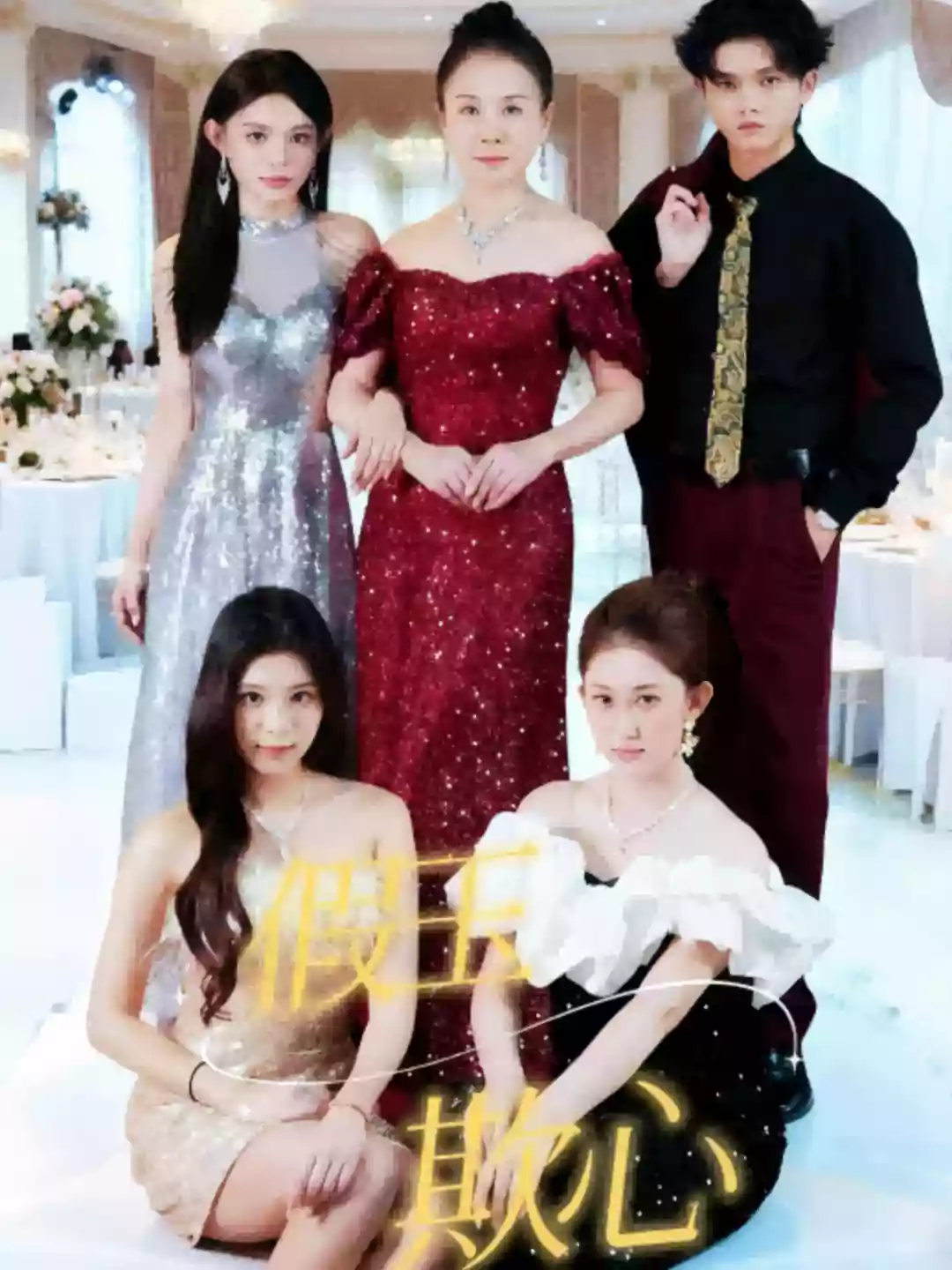
For a family-neglect story with a comeback rather than a locked tragedy, start with Reborn After the False Heiress’s Lie. Gu Nanzhi is also rejected by the people who should protect her, but rebirth gives her a chance to expose the favored impostor and stop treating family approval as the prize. It is a separate Drama Canon production, not The Girl They Buried under another name.
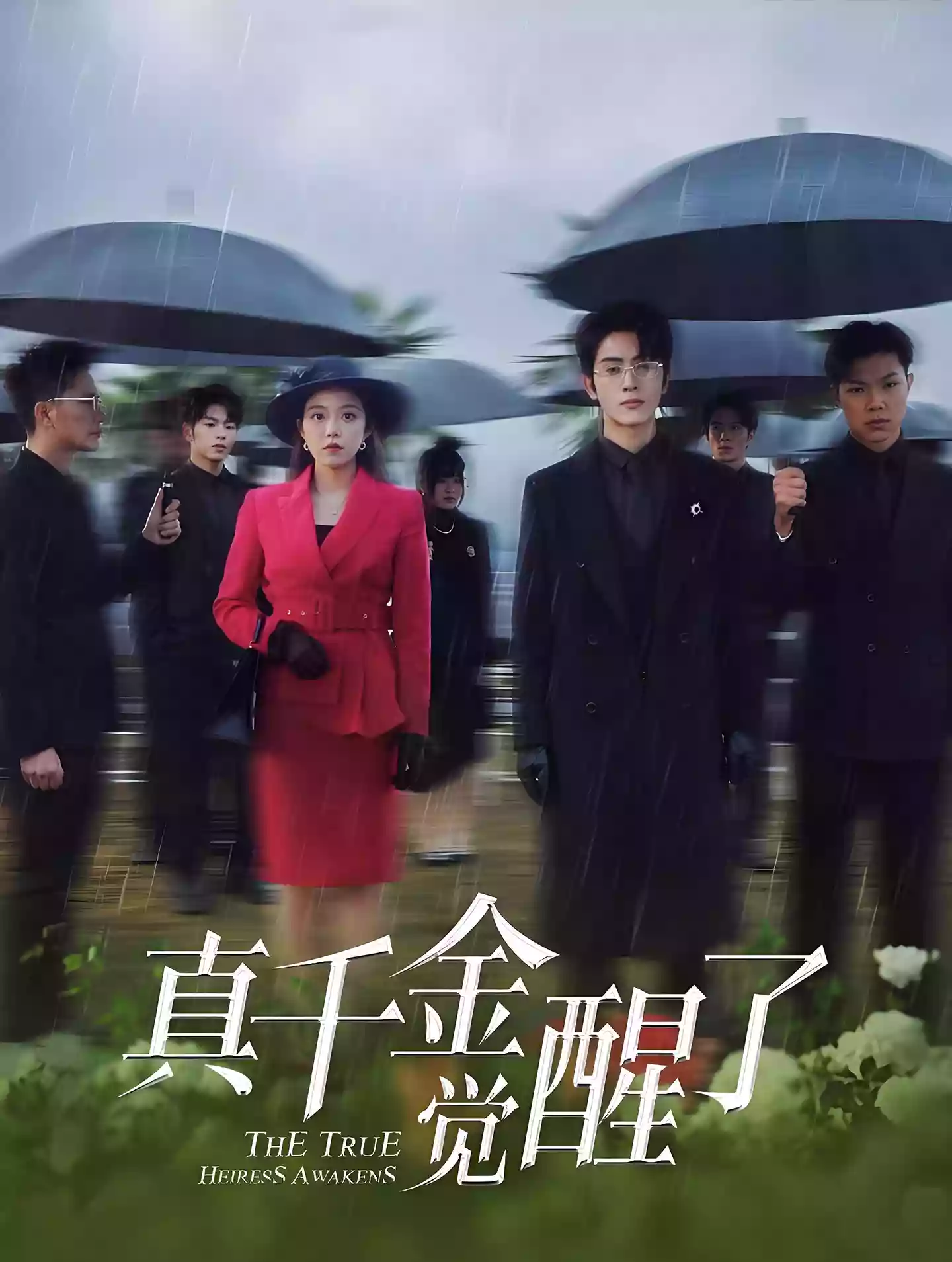
The True Heiress Woke Up at Her Funeral is the closer sibling-neglect match. Its heroine survives a family betrayal, uses her presumed death to reveal the family’s favoritism, and confronts the people who abandoned her. Again, it is a same-genre recommendation, not an alternate version of Rose’s story.
For more examples of family systems turning against the wrong woman, use our family-drama short-drama guide. Readers who prefer a direct revenge payoff can also compare Unforgivable: A Betrayed Wife’s Reckoning.
Where to Watch Legally
Use the official NetShort listing for the external drama and the viewing options available in your region. Drama Canon does not host or link to unauthorized copies of the NetShort production.
The players on the recommended Drama Canon series pages contain different, owned-library productions with English subtitles. Their relationship to the searched title is clearly labeled as same genre.
FAQ
How many episodes are in The Girl They Buried?
NetShort lists 62 completed episodes and an approximate total runtime of 97 minutes.
Who is Rose Shaw?
Rose is the daughter and sister at the center of the story. A childhood accident while saving her brother leaves her cognitively disabled, and her family later treats her as a burden.
Is The Girl They Buried a revenge or rebirth drama?
The official listing presents it as a modern family tragedy, not a rebirth premise. Its primary payoff is belated recognition and grief rather than a verified second-life reversal.
Does this guide reveal the complete ending?
No. It explains the verified tragic direction and title meaning without inventing a scene-by-scene finale that the public source does not establish.
Are the Drama Canon recommendations the same series?
No. They are separate owned productions selected for family neglect, sibling favoritism, regret, and female-comeback themes.